Why Choose UPVC Porch Doors for Your Home?
When considering door options for your home, UPVC porch doors stand out. They offer a stunning combination of durability and style. Many homeowners are drawn to their low maintenance requirements. Unlike wooden doors, UPVC does not warp or rot. This is vital in various weather conditions.
The aesthetic appeal of UPVC porch doors cannot be overlooked. They come in various styles and colors, ensuring a perfect match for your home. Their energy efficiency is another selling point. By providing better insulation, they can help reduce heating costs. However, it’s essential to remember that not all UPVC doors are made equal. Knowing what to look for is crucial.
Choosing the right porch door is more than a style choice. It affects security, comfort, and energy use. UPVC porch doors provide value. However, often, homeowners focus solely on their visual appeal. They overlook the potential drawbacks, like initial costs or limited design options. Reflecting on these aspects can lead to a more informed decision.
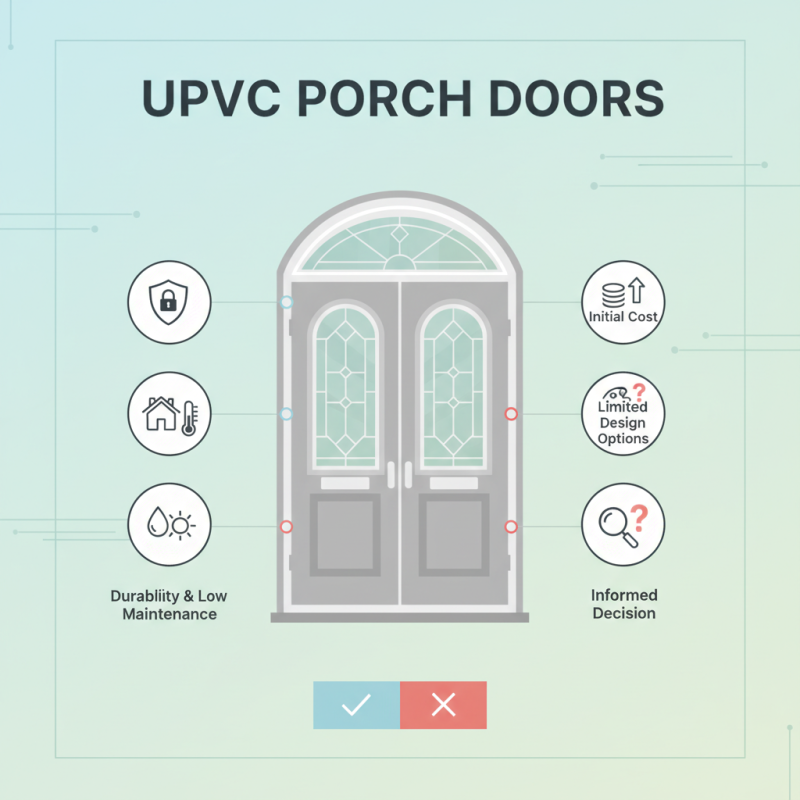
Benefits of UPVC Porch Doors for Home Security and Safety
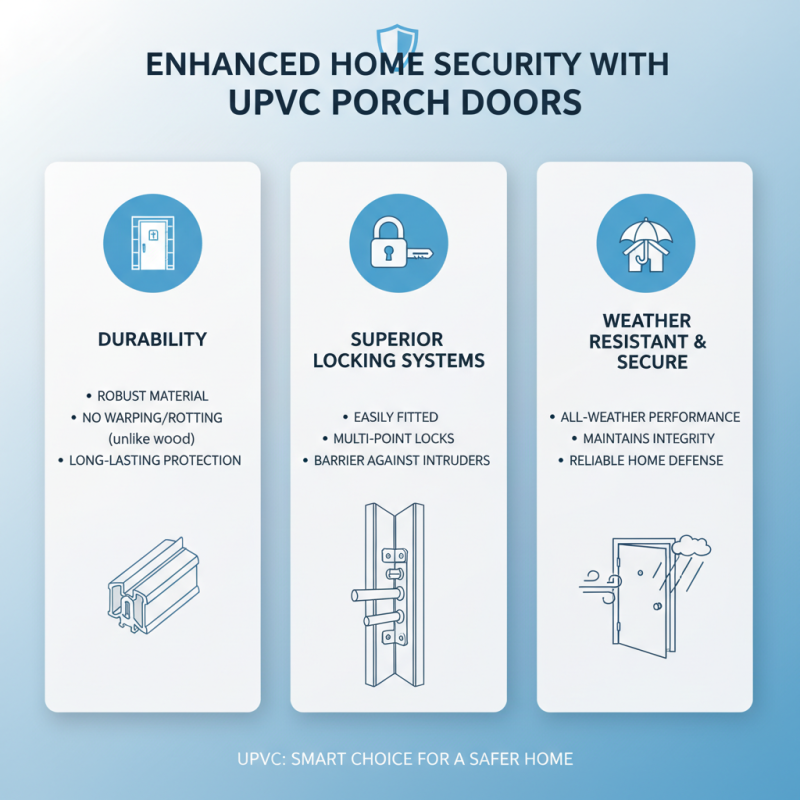
UPVC porch doors offer numerous benefits that enhance home security and safety. The material is known for its durability. Unlike traditional wood, UPVC does not warp or rot over time. This makes it a reliable choice for protecting your home against intruders. Strong locks can be fitted easily on UPVC doors. This adds an extra layer of protection to your property.
In addition to security, UPVC doors provide excellent insulation. This keeps your home comfortable in various weather conditions. Properly installed UPVC doors can reduce energy costs significantly. However, not all installations are perfect. Some homeowners may overlook proper sealing, leading to gaps. These gaps can compromise insulation efficiency.
It is also important to consider the aesthetics. UPVC doors come in various designs and colors. Homeowners can select styles that match their home's look. Yet, some might find that lower-priced options appear cheaper over time. The choice of UPVC is not without its drawbacks. It is crucial to weigh the pros and cons carefully.
Energy Efficiency of UPVC Porch Doors: A Statistical Analysis
UPVC porch doors are becoming increasingly popular for modern homes. Their design offers impressive energy efficiency. This means lower energy bills for homeowners. Studies indicate that homes with UPVC doors can experience up to 30% better insulation compared to traditional door materials. These doors significantly reduce heat loss, keeping the interior cozy during cold months.
Statistical analysis reveals that UPVC doors also help in maintaining a stable indoor climate. This means less reliance on heating systems. A residence with a UPVC porch door may see a decrease in energy usage, which is beneficial for both the environment and personal finances. However, it is essential to choose the right installation to avoid possible pitfalls. Poor installation can lead to air leaks, negating energy savings.
Moreover, UPVC doors require regular maintenance for longevity. Some homeowners overlook this, leading to wear and tear. Regular cleaning and checking seals can keep these doors performing efficiently. Although they are a worthy investment, one must be aware of potential challenges.
Maintenance Requirements: Comparing UPVC with Traditional Materials
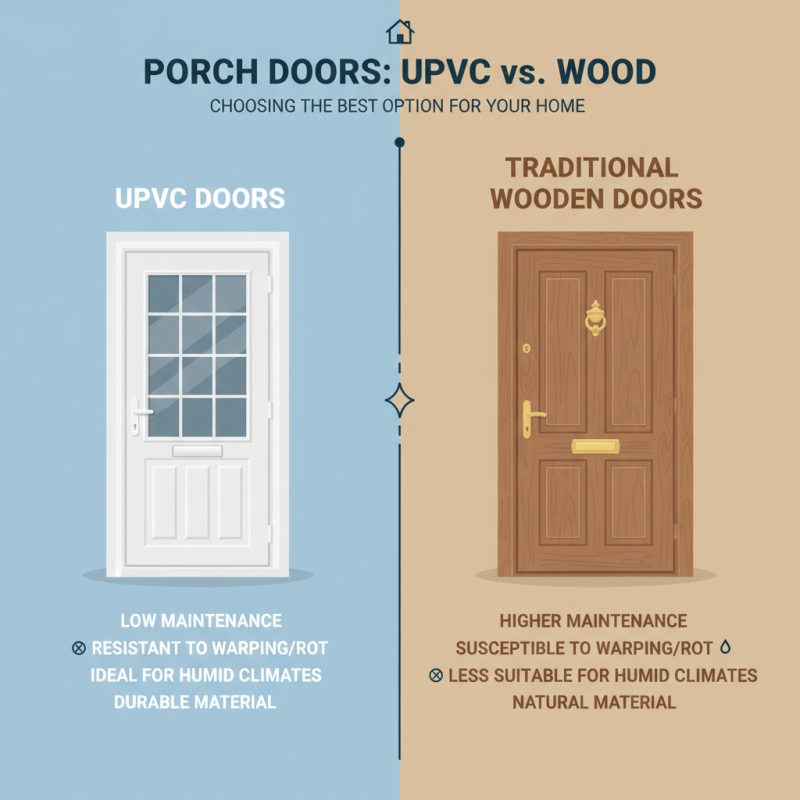
When considering porch doors, many homeowners face the UPVC versus traditional materials debate. UPVC doors stand out due to their low maintenance requirements. Unlike wooden doors, UPVC doesn’t warp or rot when exposed to moisture. This makes them an excellent choice for homes in humid climates.
Wood needs regular painting and sealing. UPVC requires only occasional cleaning with soapy water. This saves time and effort in upkeep. However, remember that while UPVC is durable, it can scratch easily. This may require occasional touch-ups to maintain appearance.
**Tips:** To keep your UPVC porch doors looking fresh, use a soft cloth for cleaning. Avoid abrasive cleansers. Also, check the seals regularly. If you notice any wear, replace them promptly to prevent drafts. Simple steps like these can prolong the life of your doors.
Aesthetic Appeal: Customization Options for UPVC Porch Doors
UPVC porch doors offer a blend of style and practicality. A major attraction is their customization potential. You can choose from various colors, finishes, and textures. Want a bold red or a soft pastel? The options are endless.
Consider the design elements. Glass panels can be added for elegance and light. You might think about the types of hardware to complement your choice. Handle styles and colors can make a significant difference. Small details matter in the overall aesthetic.
However, customization shouldn’t stop at design. Think about functionality too. Ensure that the door you select fits the space well. Measure accurately to avoid disappointing gaps. Reflect on how the door interacts with your home’s architecture. Sometimes, the perfect color might clash with surrounding elements. Balancing beauty and practicality requires thought.
Cost-Effectiveness: Long-Term Savings with UPVC Installation
When considering UPVC porch doors, cost-effectiveness stands out. These doors not only enhance a home's aesthetic but also offer long-term savings. A recent industry report indicates that UPVC doors can save homeowners up to 30% on energy bills. They provide excellent insulation, reducing the need for heating in winter. This translates into significant savings over time.
Installation costs can be higher initially. However, the durability of UPVC material contributes to lower maintenance expenses. UPVC doors resist warping and weather damage, making them last longer than traditional wooden doors. The average lifespan of UPVC doors is around 30 years, compared to 10-15 years for wood. This longevity means fewer replacements and less hassle.
Homeowners should also consider the environmental impact. UPVC is recyclable and often made from recycled materials. Although the initial investment might raise eyebrows, the overall savings and environmental benefits make it a wise choice. Some may worry about aesthetics, feeling UPVC lacks charm. Yet, modern designs prove that style and savings can coexist seamlessly. Choosing UPVC is a decision worth evaluating carefully.
Why Choose UPVC Porch Doors for Your Home? - Cost-Effectiveness: Long-Term Savings with UPVC Installation
| Feature |
UPVC Porch Doors |
Traditional Wooden Doors |
| Initial Cost |
$250 - $700 |
$400 - $1,200 |
| Durability |
20-30 years |
10-20 years |
| Maintenance |
Low (wash with soap and water) |
High (requires painting/staining) |
| Energy Efficiency |
High (good insulation) |
Moderate |
| Customizability |
Various colors and styles |
Limited styles |