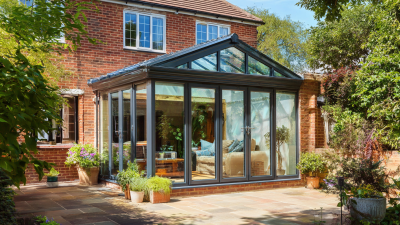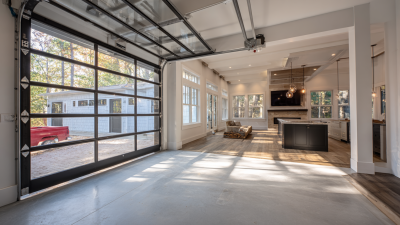



Top Sliding Conservatory Doors for Global Buyers

Choosing the right sliding conservatory doors can transform a bright glass room into a comfortable, usable living space. For global buyers, appearance is only one part of the decision. Climate, opening size, drainage, glass performance, and installation quality can change the final result.

This guide examines top sliding conservatory doors through practical buying criteria. It considers aluminium, uPVC, and thermally improved systems, along with double and triple glazing options. In coastal areas, powder-coated aluminium may resist moisture better, but coating quality still matters. In colder regions, low-emissivity glass and warm-edge spacers can reduce heat loss near the floor. A smooth track also matters. Dirt, leaves, and small stones can quickly affect daily operation.

Details deserve attention.

Reliable suppliers should provide clear technical drawings, tested U-values, hardware specifications, warranty terms, and installation guidance. Buyers should also check local building requirements, safety-glass rules, ventilation needs, and wind-load calculations with qualified professionals. These requirements differ between countries and even between regions.

No single door system suits every conservatory. That is easy to forget. A slim frame may offer wider views, yet it could require more careful structural support. Larger panels can create a dramatic opening, but replacement costs may be higher if glass is damaged. Supplier claims should not replace independent checks. This overview aims to help buyers compare products realistically, ask better questions, and avoid expensive assumptions before ordering sliding conservatory doors.
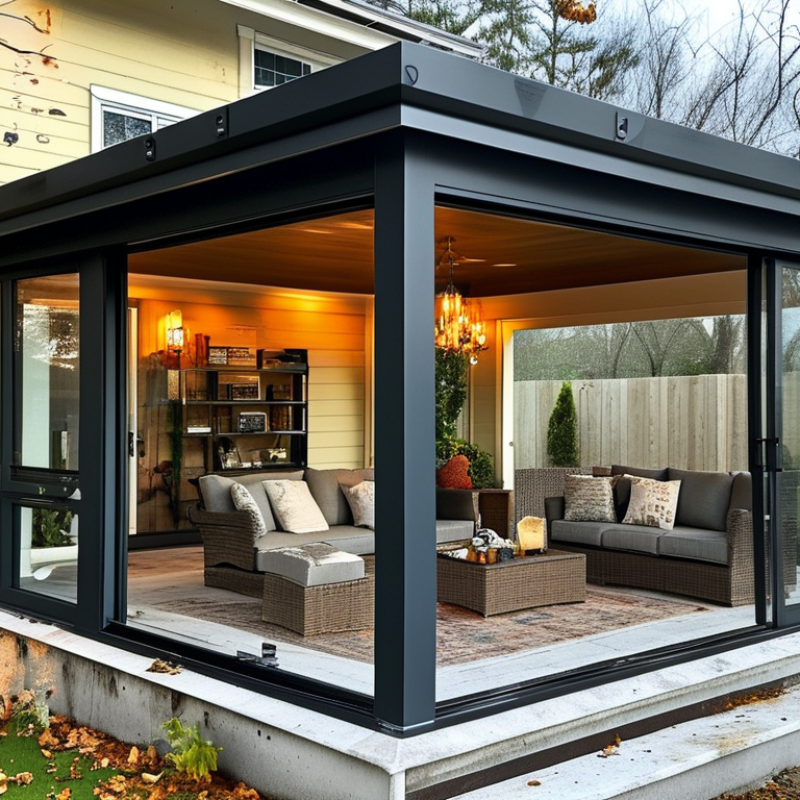
Top Sliding Conservatory Doors for Global Buyers

Understanding Sliding Conservatory Door Types and Opening Systems

Top Sliding Conservatory Doors for Global Buyers

Understanding Sliding Conservatory Door Types and Opening Systems

Sliding conservatory doors differ by panel movement, track design, and glazing performance. Inline sliders move panels along parallel tracks. They suit compact openings and offer predictable operation. Telescopic systems stack several panels beside one another. They create wider clear openings but require stronger head and floor support. Lift-and-slide doors raise the panel slightly before movement. This reduces friction and helps manage heavier double or triple glazing. Pocket systems disappear into wall cavities. However, they demand careful waterproofing and accurate structural planning.

Glazing choices also affect comfort. Low-emissivity coatings reduce heat transfer, while solar-control glass limits summer glare. The U.S. Department of Energy estimates that windows can cause 25–30% of residential heating and cooling energy use. That figure makes frame seals and glass selection more than cosmetic details. IEA’s 2023 Global Status Report links buildings with about 30% of global final energy consumption. Better openings can support efficiency, but only when installation quality matches the specification.

Global buyers should request tested U-values, air leakage, water tightness, and wind resistance. European projects may reference EN 14351-1, while North American projects often use NFRC procedures. Check drainage channels with a flashlight. Check the rollers by hand. A wide opening is not automatically better. In practice, designers sometimes underestimate threshold exposure, especially on coastal sites. Reconsider the sill height, drainage path, and local wind conditions before selecting the opening system.

Top Sliding Conservatory Doors for Global Buyers

Understanding Sliding Conservatory Door Types and Opening Systems

The chart compares common sliding conservatory door configurations by total panel count and the number of panels that can move to create an opening. A two-panel single-sliding system typically opens one panel, while multi-panel and multi-track systems can move several panels to create wider openings. Actual opening size depends on the frame dimensions, panel width, track design, and site requirements.

Comparing Materials, Glazing Options, and Thermal Performance

Top Sliding Conservatory Doors for Global Buyers

Sliding conservatory doors balance daylight, ventilation, and thermal control. Material choice affects each performance target.

Thermally broken aluminium offers slim frames and strong weather resistance. uPVC usually provides lower initial cost and dependable insulation. Timber feels warmer, but it needs regular sealing in wet climates.

Glazing deserves closer attention than frame appearance. Low-emissivity double glazing can reduce radiant heat transfer, while argon-filled cavities improve insulation. Triple glazing can perform better in cold regions, yet its added weight may require stronger sliding hardware.

The U.S. Department of Energy reports that windows can cause 25–30% of residential heating and cooling energy use. That figure includes glazed doors, so poor specifications become expensive quickly.

Look for independently tested U-values, solar heat gain coefficients, and air-leakage results. The National Fenestration Rating Council uses these measurements to compare certified fenestration products. Lower U-values generally indicate better insulation.

However, lower solar gain is not ideal everywhere. In cooler climates, controlled winter sunlight can reduce heating demand. In hot climates, excessive solar gain can overheat a glass conservatory.

A 2023 International Energy Agency buildings report also identifies energy efficiency as central to reducing building energy demand. I would not choose triple glazing automatically. Frame drainage, compression seals, and installation accuracy can matter more than one impressive laboratory number. Small gaps still hurt.

Evaluating Security Features, Weather Resistance, and Durability

Top Sliding Conservatory Doors for Global Buyers: Evaluating Security Features, Weather Resistance, and Durability

Sliding conservatory doors must resist forced entry, wind-driven rain, heat loss, and repeated daily movement. The U.S. Department of Energy estimates that windows can cause 25–30% of household heating and cooling energy use. Large glazed doors can contribute significantly, especially in poorly shaded conservatories. The International Energy Agency also reports that buildings consume about 30% of global final energy. Therefore, thermal performance deserves equal attention.

Security begins with laminated safety glass, anti-lift blocks, strong interlocks, and multi-point locking systems. Ask for independently tested results, not only attractive product claims. European buyers can review EN 12207 air-permeability, EN 12208 watertightness, and EN 12210 wind-load classifications. North American projects may use comparable fenestration testing standards. Weather resistance depends on sloped thresholds, clear drainage paths, compression gaskets, and corrosion-resistant rollers. Coastal salt can expose weak hardware quickly. It happens.

Durability testing should include opening-cycle results, roller load capacity, frame movement, and seal replacement procedures. A heavier door is not automatically stronger. Installation quality matters just as much. Poor alignment can create leaks, friction, and premature lock failure. Global buyers should match specifications to local wind zones, rainfall, humidity, and temperature changes.

Tips: Request laboratory reports, installation tolerances, glass specifications, drainage drawings, and spare-hardware availability. Test the sample by sliding it slowly. Listen for scraping. Reconsider any system with vague performance figures or inaccessible maintenance parts.

Top Sliding Conservatory Doors for Global Buyers - Evaluating Security Features, Weather Resistance, and Durability

Comparative technical guide for common sliding-door configurations used in conservatories and glazed extensions. Performance values should be confirmed against the supplier’s certified test reports and the requirements of the installation location.

Door Configuration Typical Security Package Glazing Option Air Permeability Watertightness Wind Resistance Thermal Performance Corrosion Protection Expected Service Life Best Use Case
Aluminium Lift-and-Slide Door Multi-point lock, anti-lift blocks, security cylinders, internal locking handle Double or triple insulating glass; laminated inner pane recommended for enhanced impact protection Class 4, up to 600 Pa
EN 12207 classification
Up to Class 9A, 600 Pa
EN 12208 classification
Up to Class C4, approximately 1,600 Pa
EN 12210 classification
Typically 1.0–1.8 W/m²K for the complete door, depending on frame and glazing Powder coating or anodising; marine-grade finishes are preferable in coastal areas 25–40 years with routine adjustment and seal replacement Large openings, premium conservatories, and regions requiring strong weather performance
Thermally Broken Aluminium Sliding Door Hook or roller multi-point locking system, anti-jacking design, reinforced keep plates Low-emissivity double glazing; laminated glass available for the inner pane Class 3–4, approximately 300–600 Pa
EN 12207 classification
Class 8A–9A, approximately 450–600 Pa
EN 12208 classification
Class C3–C4, approximately 1,200–1,600 Pa
EN 12210 classification
Typically 1.3–2.0 W/m²K for the complete door Factory-applied powder coating; pretreatment quality is critical for humid climates 25–35 years with regular cleaning of tracks and drainage channels Year-round residential use where energy efficiency and moderate-to-high exposure resistance are required
uPVC Sliding Patio Door Multi-point locking, reinforced frame sections, anti-lift rollers, lockable handle Double insulating glass; laminated safety glass can be specified Class 3, approximately 300 Pa
EN 12207 classification
Class 7A–8A, approximately 300–450 Pa
EN 12208 classification
Class B3–B4, approximately 1,200–1,600 Pa
EN 12210 classification
Typically 1.5–2.2 W/m²K for the complete door uPVC profiles do not rust; metal reinforcement and hardware still require protection and maintenance 20–30 years when seals, rollers, and hardware are maintained Cost-conscious projects in moderate climates with limited exposure to salt and severe wind
Timber-Aluminium Composite Sliding Door Concealed multi-point lock, anti-lift protection, laminated safety glazing, reinforced frame Triple insulating glass with laminated inner pane; solar-control coating available Class 4, up to 600 Pa
EN 12207 classification
Up to Class 9A, 600 Pa
EN 12208 classification
Up to Class C4, approximately 1,600 Pa
EN 12210 classification
Typically 0.8–1.4 W/m²K for the complete door Exterior aluminium cladding provides strong weather protection; interior timber needs controlled humidity 30–50 years with periodic coating inspection and hardware servicing High-end conservatories where interior finish, insulation, and long-term durability are priorities
Minimal-Frame Sliding Glass Door Embedded multi-point lock, anti-lift rollers, laminated safety glass, restricted-access handle option Large laminated or toughened insulating glass units; glass thickness must be structurally specified Class 3–4, approximately 300–600 Pa
EN 12207 classification
Class 7A–9A, approximately 300–600 Pa
EN 12208 classification
Class C3–C4, approximately 1,200–1,600 Pa
EN 12210 classification
Typically 1.0–1.8 W/m²K for the complete door, depending on the frame ratio Anodised or powder-coated aluminium; stainless-steel rollers are beneficial in coastal locations 25–40 years with professional hardware adjustment and drainage maintenance Contemporary glazed extensions where daylight, wide views, and slim sightlines are important
Heavy-Duty Multi-Panel Sliding System Multi-point locking on active panels, anti-lift devices, interlocking meeting stiles, laminated glass Double or triple insulating glass; solar-control and low-emissivity coatings may be combined Class 3–4, approximately 300–600 Pa
EN 12207 classification
Class 8A–9A, approximately 450–600 Pa
EN 12208 classification
Class C4–C5, approximately 1,600–2,000 Pa
EN 12210 classification
Typically 1.2–2.0 W/m²K for the complete system High-build powder coating, anodising, or duplex coating for demanding coastal environments 30–40 years with scheduled roller, seal, lock, and drainage maintenance Wide conservatory elevations, exposed sites, and projects with frequent daily operation
Buyer checklist: Request whole-door test evidence rather than frame-only figures; verify glass safety classification, locking-point layout, threshold drainage, hardware corrosion testing, replacement-part availability, and compliance with the building regulations applicable to the destination country.

Choosing Suitable Sliding Doors for Different Global Climates

Top Sliding Conservatory Doors for Global Buyers

Choosing sliding conservatory doors should begin with climate, not appearance. The UNEP Global Status Report for Buildings and Construction 2023 states that buildings used 32% of global energy in 2022. Door performance therefore deserves serious attention. In cold regions, select thermally broken frames, low-emissivity double or triple glazing, and low U-values. These features reduce heat loss around chilly seating areas and floor edges. However, a lower U-value is not automatically better for every location.

Hot, sunny climates require careful solar control. Glazing with a suitable solar heat gain coefficient can reduce overheating near south- or west-facing doors. External shading usually works better than internal blinds. In humid coastal areas, specify corrosion-resistant hardware, durable seals, and sloped drainage channels. Small drainage details matter. Condensation can still appear when indoor humidity remains high. The CIBSE Guide A recommends controlling indoor moisture and surface temperatures, but real buildings rarely behave perfectly.

Windy and wet climates need strong rollers, multi-point locking, and tested air and water resistance. Look for performance evidence based on recognized standards, not vague terms like “all-weather.” The International Energy Agency reports that buildings remain a major source of global energy demand, so installation quality matters as much as the product specification. Check frame alignment, threshold sealing, and glass weight during commissioning. A beautiful sliding door can perform poorly after careless fitting. Global buyers should compare climate data, exposure, maintenance access, and repair availability before choosing a configuration.

Planning Dimensions, Installation Requirements, and Maintenance Needs

Top sliding conservatory doors need accurate planning before any frame is ordered. Measure the structural opening at the top, middle, and bottom. Record the smallest width and height. Check the floor with a two-metre level. A small slope can make panels roll unevenly. Many installers allow a 10–15 mm fitting gap, but local specifications must control. Do not guess this clearance.

Glass selection affects comfort and operating costs. The U.S. Department of Energy reports that windows can cause 25–30% of residential heating and cooling energy use. The 2023 IEA Global Status Report states that buildings consume about 30% of global final energy. Specify U-value, solar heat gain coefficient, and visible transmittance for the project climate. A warm southern room may need stronger solar control. A cold northern room may need higher insulation. The wrong glass can feel like a design failure.

Installation needs a drained, supported sill, not only attractive trim. Keep tracks clean during fitting. Protect drainage channels from plaster and dust. Allow frame movement around large openings, especially in exposed locations. Seal junctions continuously, but never block designed weep holes. Maintenance is simple but easily ignored: vacuum tracks monthly, wipe rollers with a dry cloth, and inspect gaskets twice yearly. I would also photograph the drainage details before finishes cover them. That step feels excessive, yet repairs become difficult later. Manufacturer instructions and local building standards should always override general planning advice.