Top Tips for Choosing the Best Windows and Doors for Your Home
When it comes to enhancing the aesthetic appeal and functionality of your home, the selection of windows and doors plays a pivotal role. These elements not only contribute to the overall design but also influence energy efficiency, security, and comfort. Choosing the right windows and doors can be a daunting task given the myriad options available today. From traditional styles to modern designs, the choices are vast and varied, requiring careful consideration of both the material and style.
In this guide, we will explore essential tips for selecting the best windows and doors for your home. We will discuss the importance of understanding your specific needs, whether it is maximizing natural light or enhancing insulation. Additionally, we will highlight factors such as durability, maintenance, and the overall architectural harmony with your home's exterior. By taking the time to assess these considerations, you can make an informed decision that will not only beautify your space but also provide lasting value for years to come.
Understanding the Importance of Quality Windows and Doors in Your Home
When choosing windows and doors for your home, quality should be a top priority. High-quality windows not only enhance the aesthetic appeal of your property but also provide vital functional benefits. According to the U.S. Department of Energy, well-insulated windows can reduce energy costs by up to 25%, significantly decreasing your home's heating and cooling demands. This is particularly important as homes contribute to nearly 22% of greenhouse gas emissions in the U.S., emphasizing the need for energy-efficient solutions.
Moreover, durable doors and windows can improve security and increase the overall value of your home. A report by the National Association of Realtors highlights that investing in high-quality exterior doors can yield an average ROI of around 70% to 90%, making them a worthwhile investment whether you plan to sell in the near future or simply want to enhance your living environment. Furthermore, quality materials and construction can lead to fewer maintenance issues over time, offering peace of mind and reducing long-term costs. Therefore, prioritizing quality in windows and doors is not just about aesthetics; it’s a significant aspect of maintaining an efficient, secure, and valuable home.
Assessing Your Home's Design and Architectural Style for Best Fit
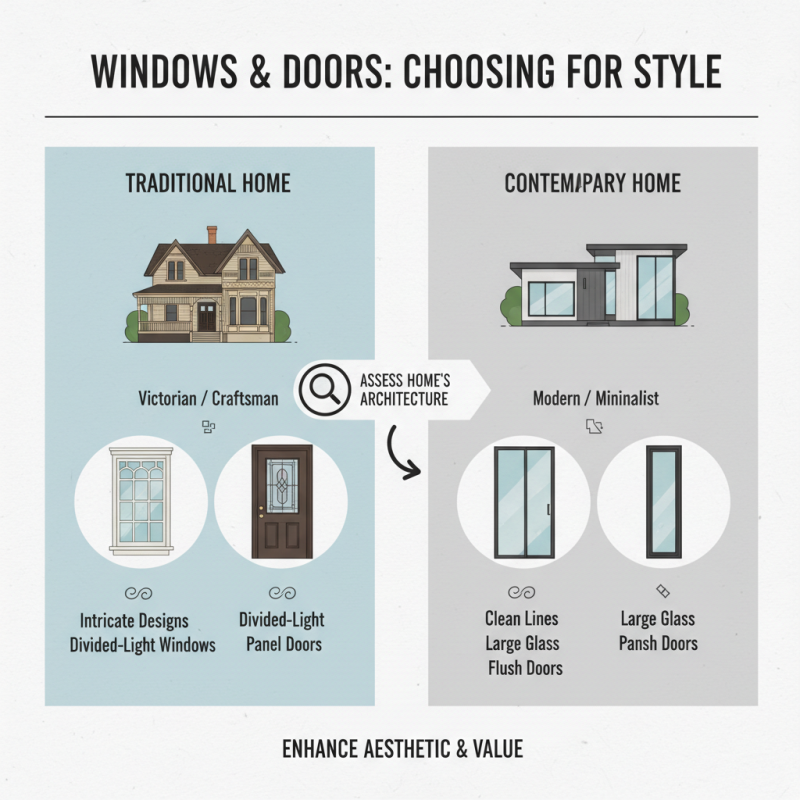
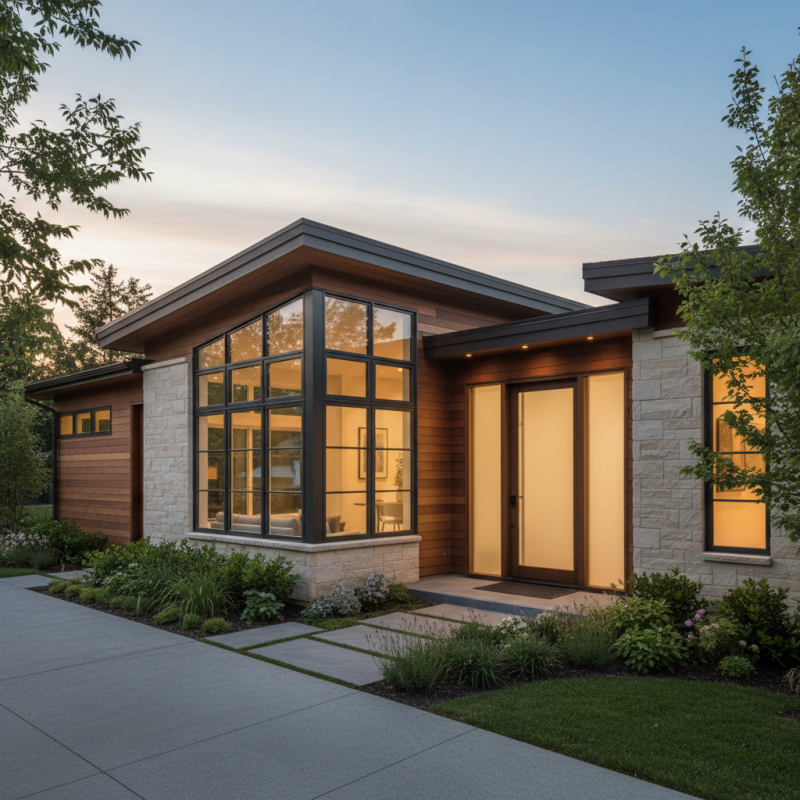
When selecting windows and doors for your home, it is crucial to consider the overall design and architectural style to ensure a cohesive look. Architectural styles vary widely, from traditional to contemporary, each with its own defining characteristics. For instance, a Victorian home might benefit from intricate, divided-light windows that complement its ornate detailing, while a modern minimalist residence could be better suited to large, unobtrusive glass panels that emphasize clean lines and simplicity. Assessing your home’s design will guide you in choosing features that enhance its aesthetic rather than detract from it.
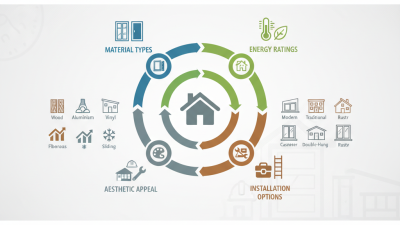
Additionally, the materials used for windows and doors should align with the architectural style of your home. Wood, aluminum, vinyl, and fiberglass each offer different visual appeal and durability. For a rustic farmhouse, wooden frames can accentuate the charm, whereas sleek aluminum may fit better with an industrial-themed property. Pay attention to color and finish as well; traditional homes may benefit from classic whites or forest greens, while bold hues could enhance a modern aesthetic. By thoughtfully considering these elements, you can achieve an attractive and harmonious look that elevates the overall appeal of your property.
Evaluating Energy Efficiency Ratings and Features for Windows and Doors
When selecting windows and doors for your home, energy efficiency ratings play a crucial role in ensuring comfort and reducing long-term utility costs. Look for products with a high Energy Star rating, as they are tested to meet strict energy efficiency guidelines. Pay attention to the U-factor, which measures the rate of heat transfer; lower values indicate better insulation. Additionally, the Solar Heat Gain Coefficient (SHGC) should also be evaluated, as it indicates how much solar heat is admitted through a window. A lower SHGC means less heat gain, which can be beneficial in warmer climates.
Another aspect to consider is the type of glazing used in windows and doors. Double or triple glazing with low-emissivity (low-E) coatings can significantly enhance energy efficiency by reflecting heat back into the home during winter and blocking excessive heat during summer. Insulated frames made of materials like fiberglass or vinyl also contribute to overall performance. When assessing features, ensure to consider airtightness and the quality of seals, as these elements prevent drafts and improve energy conservation, ultimately leading to a more sustainable and cost-effective living environment.
Choosing Materials: Wood, Vinyl, Aluminum, and Their Pros and Cons
When it comes to choosing the right windows and doors for your home, the materials you select play a pivotal role in both aesthetics and functionality. Wood, vinyl, and aluminum are three of the most popular options, each with their own distinct advantages and disadvantages.
Wood offers a classic and elegant appearance, making it a favorite for traditional homes. It provides excellent insulation and can be painted or stained to match your home's décor. However, wood requires regular maintenance to protect it from moisture and pests. For those seeking a balance between style and ease of care, it's crucial to consider these factors.
Vinyl windows and doors are renowned for their durability and low maintenance requirements. They resist fading, peeling, and cracking, making them a practical choice for various climates. However, while vinyl can mimic the look of wood, it lacks the same level of customization in finishes. Aluminum, on the other hand, is valued for its strength and sleek modern appearance. It's resistant to corrosion and can be finished in a variety of colors. However, aluminum conducts heat, which may not provide the best insulation without a thermal break.
Tips: Before making a decision, consider the climate of your area and how much maintenance you are willing to commit to. Always look for energy-efficient options to save on utility bills and improve your home's comfort. Additionally, think about the overall style of your home to ensure that your choice enhances its exterior aesthetic.
Top Tips for Choosing the Best Windows and Doors for Your Home - Choosing Materials: Wood, Vinyl, Aluminum, and Their Pros and Cons
| Material |
Pros |
Cons |
Best Uses |
| Wood |
Aesthetic appeal, excellent insulation, customizable |
Requires maintenance, susceptible to rot and pests |
Traditional homes, high-end installations |
| Vinyl |
Low maintenance, energy-efficient, cost-effective |
Limited color options, can warp in extreme heat |
Modern homes, budget-friendly replacements |
| Aluminum |
Durable, lightweight, corrosion-resistant |
Poor insulation compared to wood and vinyl, can be noisy |
Commercial buildings, modern designs |
Working with Professionals: Finding and Hiring the Right Installers
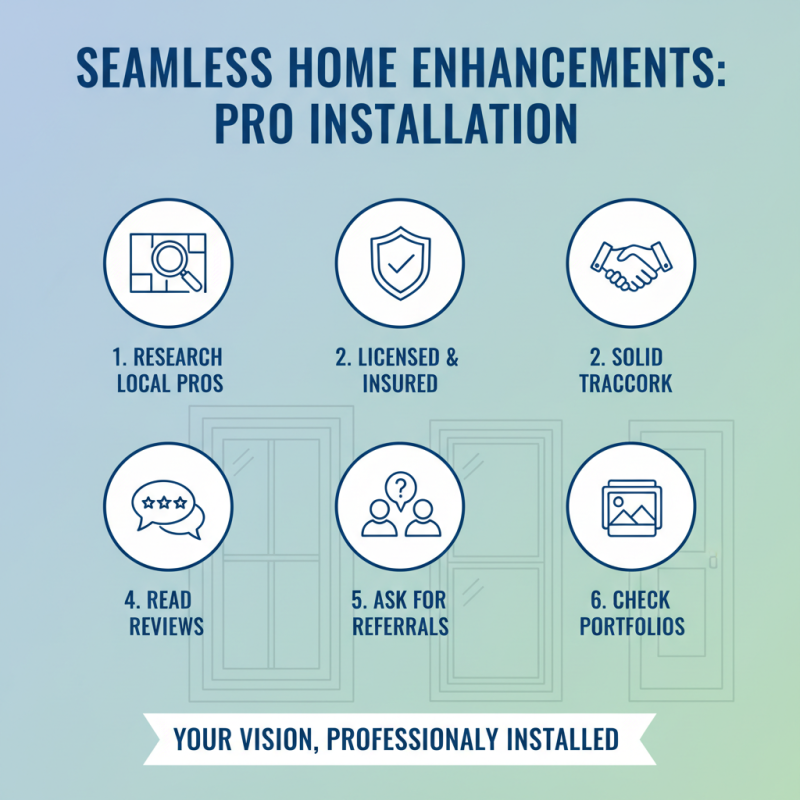
When it comes to enhancing your home with new windows and doors, working with professionals is crucial to ensuring a seamless installation process. Start by finding reputable installers in your area. Look for licensed and insured professionals who have a solid track record. Reading reviews and asking for recommendations from friends or family can help you gauge the reliability and quality of potential contractors. Don't hesitate to ask for references and check their portfolios to see previous work that aligns with your vision.
Once you've narrowed down your choices, schedule consultations with each installer. This allows you to discuss your specific needs and preferences, and it gives you a chance to assess their communication style and expertise. Be prepared to ask questions about their installation process, timeline, and warranty options. A good installer will take the time to explain the benefits of various materials and styles, guiding you in making informed decisions. Ensuring that you feel comfortable with the installer will not only provide peace of mind but also contribute to a more successful project overall.